AI for Precision Medicine
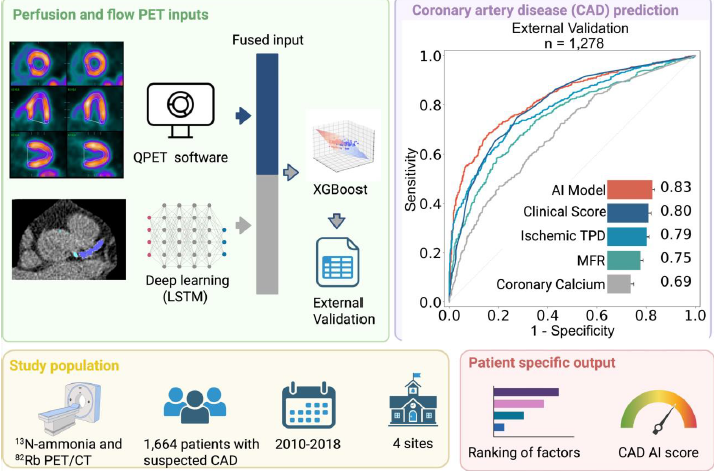
This work falls under the AI for healthcare paradigm, focused on early disease detection and individualized risk stratification. npj Digital Medicine, 2026: To enable earlier detection, we integrated perfusion, myocardial blood flow, cardiac function, and AI-derived coronary calcium into an interpretable model, with external validation across three independent centers. npj Digital Medicine, 2025: To move beyond single-organ markers toward systemic risk, we extracted multi-organ information from low-dose attenuation-correction CT and combined it with perfusion and clinical data for mortality prediction across four centers.
AI for Digital Health
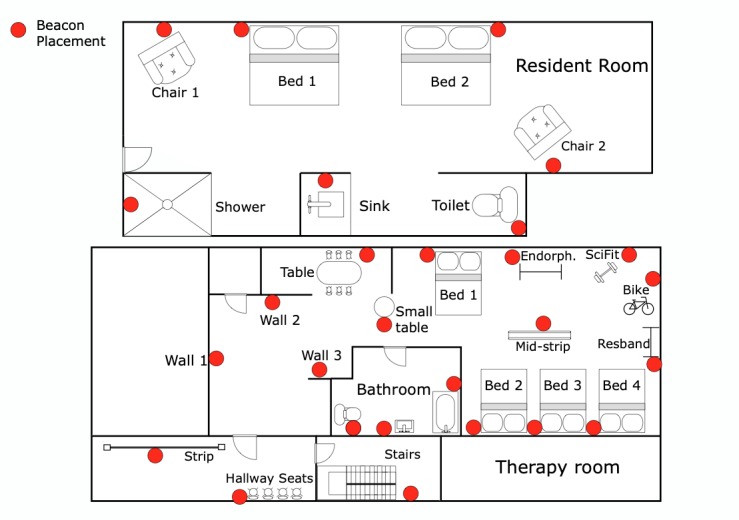
An AI for healthcare direction that translates continuous daily observations into clinically meaningful trajectories connecting hospital, rehabilitation and home. JMIR mHealth and uHealth, 2019: We built the sensing layer by combining smartwatch-based activity recognition with indoor localization to quantify mobility and behavior during rehabilitation. JMIR mHealth and uHealth, 2022: We extended this sensing framework into longitudinal modeling to reveal how daily activity and recovery evolve over time. Frontiers in Digital Health, 2024: We completed the pipeline with scalable, HIPAA-compliant cloud infrastructure for the secure collection and processing of continuous remote-monitoring data.
AI for Trustworthy Healthcare
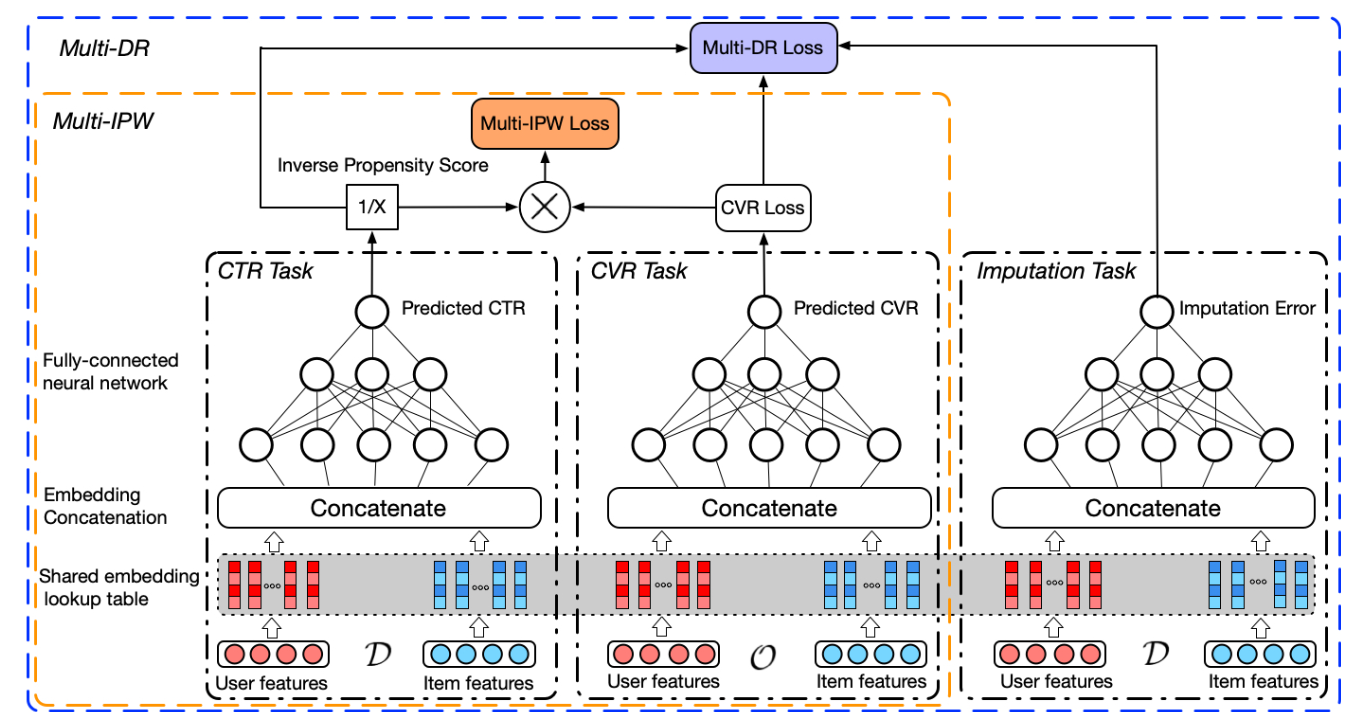
This line represents the AI of healthcare paradigm, developing causal inference-based AI methodologies for reliable clinical decision-making. Handbook on Computer Learning and Intelligence, 2022: We established the conceptual foundation by connecting causal assumptions, identification strategies, and estimation tools with problems in medicine and health policy. The Web Conference, 2020: At the estimation level, we combined propensity-score estimation, inverse-probability weighting, and doubly robust learning to correct selection bias under missing-not-at-random data. The Visual Computer, 2026: At the structure-discovery level, we introduced an exact polynomial acyclicity constraint for more efficient and interpretable causal graph learning.